




Are Tennis Ball Machines Worth It? Who Should Buy One
Are tennis ball machines worth it? They can be valuable for players who practice alone regularly, need repeatable feeds, and know what they want to improve. They are much harder to justify when court access is rare, the machine is difficult to transport, or the player expects it to diagnose technique and replace live tennis. The answer depends less on owning advanced equipment than on whether the equipment fits a real weekly routine.
Who Should Buy a Tennis Ball Machine?
A ball machine earns its place when it removes a specific barrier to useful practice. The strongest candidates already know when, where, and why they would use it.
Regular Solo Players Who Need Reliable Practice
Players without a reliable hitting partner are often strong candidates. If scheduling another person is the main reason practice does not happen, a machine can provide repeatable feeds on your own timetable. It is especially useful for focused work on contact, direction, recovery, and movement patterns that do not require an opponent to make decisions for you.
Consistency is another buying signal. Value comes from completed sessions, not ownership. A player who can name a realistic weekly court slot, transport routine, and drill plan is more likely to benefit than someone buying for an undefined intention to practice more someday.
Players With Specific Tennis Skills to Repeat
A machine is well suited to repeating one manageable problem: a forehand at a chosen depth, a backhand from a stable starting position, a transition ball, or a two-location movement pattern. The player still needs an appropriate technical model, but the machine can supply the volume needed to practice that model deliberately.

Who May Not Find a Tennis Ball Machine Worth It?
Not buying yet can be the better training decision. A rental, club machine, lesson, wall, or regular partner may reveal what you actually need before you commit to ownership.
Beginners Who Need Technical Coaching First
Complete beginners without technical guidance may be better served by instruction first. A predictable feed can make a stroke easier to repeat, but it can also repeat the same error hundreds of times. Once grip, spacing, contact, and recovery have a workable foundation, machine practice can reinforce one confirmed goal.
Players Without a Practical Ownership Routine
Players who mainly want social or match play may find better value elsewhere. A machine cannot reproduce conversation, cooperation, score pressure, opponent cues, or the changing decisions of live points. Court fees, league play, clinics, or partner sessions may deliver more of what these players actually value.
Court access can also settle the decision before features matter. Ownership makes less sense when ball machines are prohibited, reservations are scarce, transport is unrealistic, or setup consumes most of the booking. A machine that remains at home has poor value regardless of its specifications.

How Use Frequency Affects Tennis Ball Machine Value
Purchase price alone does not answer whether a ball machine is worth it. A better test connects total ownership effort with the number and quality of sessions you are likely to complete.
Estimate the Sessions You Will Actually Complete
List the months you can play, realistic sessions per week, and the courts where the machine is allowed. Subtract weeks lost to travel, weather, injury, or schedule changes. This is more useful than dividing the purchase price by an ideal schedule you have never maintained.
Include the Work Around Each Ball Machine Session
Include charging, balls, transport, setup, collection, cleaning, storage, and any court fees. These tasks are not arguments against ownership; they show whether the machine fits your habits.
Measure training results rather than ball count as well. Set one observable goal, such as balanced recovery, depth through a target zone, or a stable response across two placements. Without a decision rule or quality check, more repetitions can simply make an unhelpful pattern more familiar.
Should You Rent or Buy a Tennis Ball Machine?
Try access before ownership when you are uncertain about frequency, transport, controls, or the type of feed you need. Use the trial for a normal session rather than testing only maximum speed and random movement.
A useful trial answers practical questions: Can you get the machine to court without help? How long does setup take? Do you enjoy collecting and reloading balls? Can you create two or three drills you would repeat? If those answers are unclear after several sessions, buying may be premature.
Can a Tennis Ball Machine Replace Lessons or Match Play?
A machine can replace a human feeder for selected repetition. It cannot fully replace a coach who diagnoses technique, a partner who responds to your shot, or an opponent whose preparation provides visual cues. Research comparing returns from a ball machine and a real server also highlights that machine feeds do not provide the same anticipatory information as a live service motion.
The strongest plan combines tools. Use coaching to identify a correction, machine feeds to repeat it, partner rallies to adapt it, and points to test whether it survives uncertainty and pressure. Our comparison of tennis lessons and ball machine practice explains how those roles complement each other instead of treating them as interchangeable.
Does an AI Tennis Ball Machine Change the Answer?
An AI system may be worth considering when fixed or programmed feeds no longer match the training problem. The added value should come from capabilities you will actually use, such as visual perception, adaptive responses, movement data, and later video review??ot from the AI label alone.
When TERO Pro Adaptive Training Adds Value
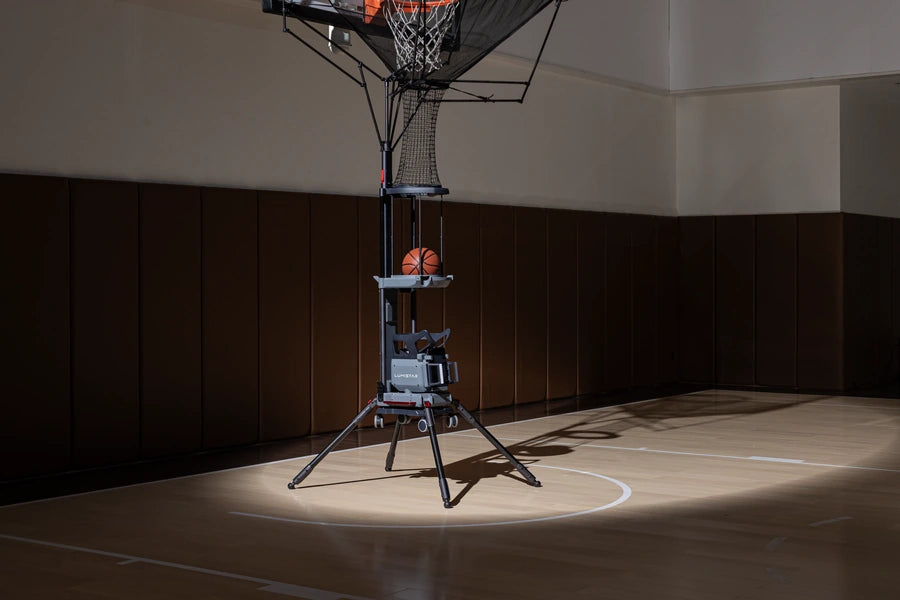
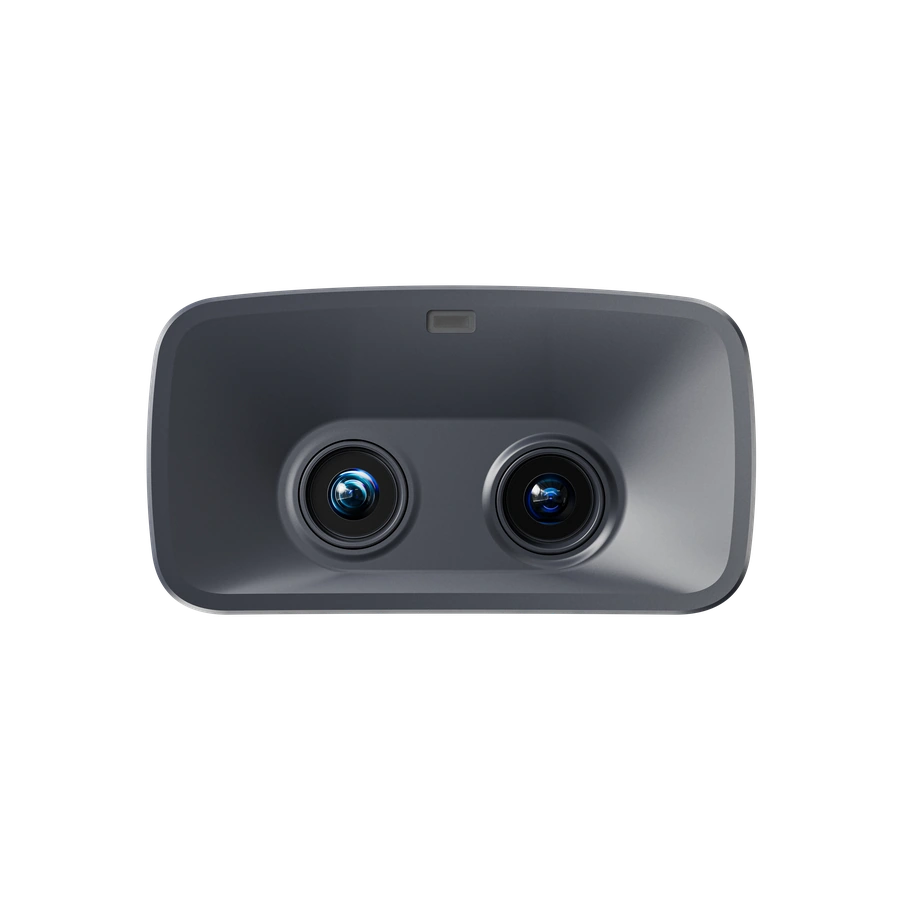
The TERO Pro AI tennis ball machine uses 4K dual-lens vision positioned at handle height with a 120-degree field of view. It analyzes ball speed, trajectory, and landing position, plans a return within 0.1 seconds, and continues adjusting as the ball moves. That can support players who want a more reactive practice environment than a fixed sequence.
Deep Stats tracks swing and movement data, while 4K Recording and Video Archive support later review. These tools can make repeated practice easier to examine, but data does not interpret itself and does not replace qualified technical guidance. AI Serving and 4K Recording also cannot operate at the same time, so players should decide which function matters for the session.
TERO Pro also offers up to 87 mph and 35 selectable placements. Those ranges can support progression, but maximum difficulty is not proof of value. A player benefits when the selected mode, placement, and pace answer a training need that would otherwise be difficult to practice consistently.
Tennis Ball Machine Buying Decision Checklist
Imagine the complete session from storage to the final ball pickup. The machine must fit that routine often enough to justify the space, preparation, and attention it requires.

| Question | A strong buying signal | A reason to wait |
|---|---|---|
| Practice access | You have a regular court and machines are allowed | Court access is uncertain or restricted |
| Use frequency | You can identify recurring weekly sessions | Use depends on occasional motivation |
| Training goal | You have specific feeds or drills to repeat | You expect the machine to design every session |
| Feedback | Coaching or a reliable review method guides practice | You need basic technique diagnosed first |
| Ownership routine | Transport, balls, charging, and storage are manageable | Setup or collection is likely to prevent use |
| Live tennis | The machine supplements partners and matches | You expect it to replace all live play |
If most answers fall in the middle, rent or borrow first. Ownership becomes easier to judge after you experience the complete routine rather than imagining only the hitting portion.
Conclusion: Are Tennis Ball Machines Worth It?
Tennis ball machines are worth it for players who will use repeatable feeds to solve specific practice problems on a consistent schedule. They are less suitable for players who lack court access, dislike the ownership routine, need foundational coaching, or mainly want social and competitive play. An AI system such as TERO Pro adds value when adaptive responses and reviewable training data match the player's goals, but more technology does not remove the need for deliberate practice, feedback, and live tennis.
Frequently Asked Questions
Is a Tennis Ball Machine Worth It for Seasonal Players?
It can be if you have a predictable playing season and will use the machine regularly during those months. Judge value by realistic annual sessions rather than assuming year-round use.
Is a Used Tennis Ball Machine a Better First Purchase?
A used machine can reduce upfront cost, but condition, battery health, parts availability, controls, service history, and warranty status all matter. Compare the complete ownership risk rather than price alone.
Can Two Players Share One Tennis Ball Machine?
Yes, when both players agree on storage, charging, transport, maintenance, and scheduling. Shared ownership works best when responsibility is explicit and the machine's location is convenient for both users.