




5 Tennis Ball Machine Topspin Drills for Depth and Recovery
A useful tennis ball machine topspin session should teach more than how to swing upward. The incoming ball curves, drops, and often rebounds higher than a comparable flatter feed, so the player must judge depth, organize the contact point, and recover before the next ball. These five drills progress from a predictable deep rally ball to movement and high-bounce decisions without turning every set into a maximum-spin test.
What Topspin Changes in Ball Machine Practice
Topspin adds forward rotation. Compared with a flatter ball under similar conditions, it can dip more sharply into the court and rebound higher after the bounce. The exact result still depends on launch height, pace, landing depth, ball condition, and court surface, so spin should never be judged by one dial value alone.
Watch the complete ball path. A productive feed reaches the intended landing zone, rises into a manageable but meaningful contact window, and leaves enough time for the player to recover with good balance. If the ball lands short but jumps high, the drill may teach a different problem from the one you intended.
Set Up Topspin by Outcome, Not One Universal Number
There is no single correct amount of topspin for every player or drill. Begin with a moderate feed that you can track clearly. Adjust spin, speed, elevation, placement, or interval one variable at a time until the bounce creates the intended task. For a broader explanation of the basic controls, use our tennis ball launcher settings guide rather than rebuilding the full setup lesson here.
Use a Depth Zone Before Increasing Spin
Mark a large target in the back third of the opposite court. The first goal is to return the ball through a safe margin and land deep, not to produce the most rotation. If depth falls short, do not automatically add more spin; check spacing, contact, launch shape, and forward intent with a coach.
Choose an Interval That Protects Recovery Quality
The next feed should arrive after the player has completed the shot, regained balance, moved toward the intended recovery position, and prepared again. If the player is still crossing over or watching the previous ball, lengthen the interval before adding pace or wider placement.
Five Topspin Ball Machine Drills
Use short, clearly scored sets. Keep the first variable stable long enough to see a pattern, then progress only when depth and recovery remain organized.
Drill 1: Deep Crosscourt Topspin Control
Goal: build a repeatable deep rally ball from a stable position. Set one comfortable topspin feed to the forehand or backhand side. Place a large crosscourt target in the back third of the court. Hit the selected direction, recover to a marked ready position, and split-step for the next feed.
Score a point only when the return lands in the deep target and the player reaches the recovery mark before the next ball. Work both sides in separate sets so one stroke does not hide the other. Progress by narrowing the target, not by immediately increasing speed.

Drill 2: Topspin Depth Ladder
Goal: control depth without changing the full swing after every ball. Create two target bands: one beyond the service line and one closer to the baseline. Use the same predictable incoming feed and alternate the intended landing band every two or three shots.
The player learns to change trajectory and forward shape while keeping balance and recovery consistent. If the shorter target turns into a weak sitter, enlarge the band and restore net clearance. If the deep target produces repeated long errors, reduce the demand before changing several machine settings.
Drill 3: Wide Ball and Recovery
Goal: connect topspin handling with lateral movement. Program or select two controlled placements that move the player from the center toward one side, then back toward the middle. Keep the pace and spin manageable enough that the player can arrive balanced rather than reach and flick at the ball.
After every shot, recover toward the position appropriate to the expected next feed. Score the set on three conditions: controlled contact, a return beyond the service line, and arrival at the recovery mark before the next launch. Widen the pattern only after all three remain stable.
Drill 4: Read the High-Bounce Contact Window
Goal: practice two valid responses to a ball that climbs after the bounce. Use one topspin feed with a clearly visible bounce. In the first block, move forward and meet the ball earlier at a comfortable height. In the second block, create space, let the ball rise and fall, and contact it from a deeper position.
This is a decision drill, not a contest to take every ball on the rise. Compare balance, depth, and recovery from both options. A coach can help determine which contact height and movement pattern are technically appropriate for your forehand or backhand.

Drill 5: Heavy Topspin Defense to Neutral
Goal: handle a deeper, higher-bouncing ball without trying to attack from a defensive position. Set a challenging but controllable topspin feed toward one side. Create space, send a high-margin return deep through the middle or a large crosscourt zone, and recover before the next ball.
Count the set as successful when the player keeps the return deep enough to avoid a short reply while maintaining balance. The progression is not simply more spin. First add depth, then lateral demand, and only then consider a shorter interval. Stop the set when fatigue turns the recovery into a scramble.
How TERO Pro Supports Topspin Drill Progression
The TERO Pro AI tennis ball machine supports spin up to plus or minus 3,600 rpm, speeds up to 87 mph, and 35 selectable placements. Those ranges make it possible to build different topspin patterns, but the useful setting is the one that creates the intended bounce and recovery task for the player in front of the machine.

Use Placement and Spin for Different Jobs
Spin changes the ball's flight and rebound; placement changes where the player must organize the response. Keep one stable while testing the other. For example, establish a repeatable topspin bounce at one location before building a two-position recovery drill. This makes it easier to identify why the set is breaking down.
Use Vision for More Reactive Practice
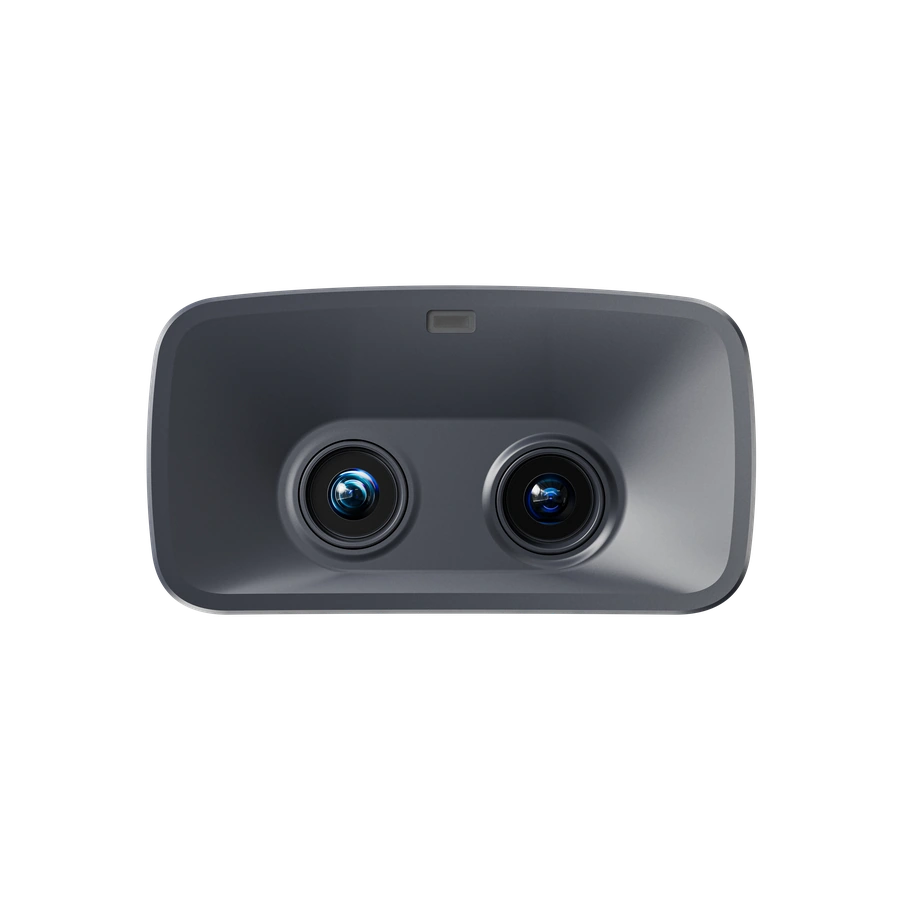
TERO Pro's AI-enhanced 4K dual-lens vision system is positioned at handle height with a 120-degree field of view. It analyzes ball speed, trajectory, and landing position, plans a return within 0.1 seconds, and continues adjusting its response as the ball moves. That supports a more reactive rally after the player has first learned the pattern through controlled feeds.
Adaptive practice should be a progression, not the starting condition. A fixed drill is better when the goal is isolating contact or recovery. A reactive rally becomes useful when the player can maintain the same technical intention while the incoming ball changes.
Progress the Drills Without Losing the Training Goal
Change only one main demand at a time: target size, placement width, feed depth, spin, pace, or interval. When several variables rise together, a lower success rate does not reveal which part of the drill became too difficult.
Use a simple score that includes both the shot and the recovery. A deep return without recovery is incomplete; reaching the recovery mark after an uncontrolled short ball is also incomplete. End the set while movement and contact still represent the skill you want to practice.
What a Topspin Ball Machine Drill Cannot Replace
A machine can repeat a defined ball and create a useful high-bounce pattern, but it cannot provide the visual cues of an opponent's preparation or decide whether your grip, swing path, and contact choice are correct. Combine machine practice with coaching, live rallies, and point play.
It also cannot make every court produce the same bounce. Surface, temperature, ball wear, and weather affect the result. Recheck the first few feeds whenever conditions change instead of assuming an old setting will create an identical ball.
Conclusion
The best tennis ball machine topspin drills connect spin to a visible training result: deeper returns, better high-bounce decisions, and complete recovery before the next shot. Start with one controlled feed, use a large depth target, and progress from stable contact to movement and defensive patterns. TERO Pro provides the spin and placement range to build that progression, while the player still needs coaching and live play to transfer it into matches.
Frequently Asked Questions
Does Court Surface Change How Topspin Bounces?
Yes. Surface type and condition influence pace, traction, and rebound, so the same machine setting may not create the same contact height on every court. Test a short set after changing courts.
Should You Use One Consistent Batch of Balls for Spin Drills?
A reasonably consistent batch makes the feed easier to compare because heavily worn and newer balls can behave differently. Follow the machine's current ball-compatibility guidance and replace damaged balls.
Can Beginners Practice Against Heavy Topspin?
They can progress toward it, but a controllable feed should come first. Build spacing and contact with moderate topspin before increasing bounce height, pace, or movement demand.