


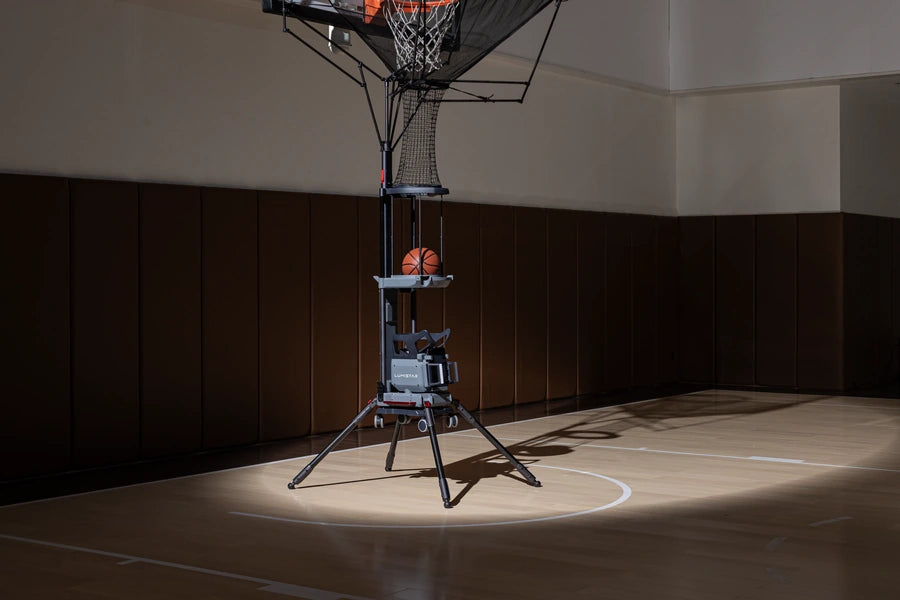



Battery-Powered Tennis Ball Machines for Courts Without Power Outlets
A battery powered tennis ball machine lets you practice on courts where a wall outlet is unavailable, inconvenient, or prohibited. The useful question is not simply whether the machine has a battery. You also need to know whether its published runtime fits your court booking, how charging fits your weekly routine, and what reserve you need for setup changes, repeated drills, and an unexpected delay.
Why Battery Power Changes Court Access
Many public, school, apartment, and neighborhood courts were not designed for powered training equipment. An internal or supported removable battery lets the machine operate without running a cable across a gate, walkway, or playing area. That makes court choice less dependent on outlet location, but it does not override facility rules. Confirm that ball machines are allowed before carrying one onto the court.

Plan for the Session, Not the Maximum Runtime
A published battery figure is a planning specification, not a guarantee for every session. Practical runtime can vary with settings, battery condition, temperature, charging history, and how the machine is used. Build the plan around the session you actually expect to complete.
Separate Booking Time From Feed Time
A 60-minute reservation rarely means 60 minutes of continuous feeding. Positioning the machine, loading balls, testing the first feed, collecting balls, resting, and changing drills all use court time without the launcher running continuously. Estimate active feed time separately, then make sure the available charge covers that workload with room to spare.
Keep a Practical Reserve
Do not plan to finish every session at the edge of the published runtime. A reserve protects the final drill when conditions differ from the previous session or the machine was not fully charged. If the charge indicator is lower than expected, shorten the plan before starting rather than discovering the problem halfway through the most important drill.
Create a Charging Routine Before Court Day
Outlet-free practice still depends on access to power before the trip. A simple routine is more reliable than trying to remember the battery only when you pack the car.
Check the Battery the Day Before
Use the charger and charging procedure specified for the current machine. Check the charge in time to respond if it is lower than expected, and keep the charger where it will not be forgotten. Avoid inventing a charging schedule from generic battery advice because battery type, charging controls, and storage requirements can differ between products.
Assign Responsibility When Equipment Is Shared
A family, team, or coaching group needs a clear handoff. Decide who checks the charge, returns controls and accessories, and reports a low battery after use. A shared machine can have a long published runtime and still arrive unprepared when everyone assumes somebody else charged it.
Use Power Deliberately During Practice
Battery planning should support the drill rather than dominate it. Organize the session so power is used when the player is ready to work and the machine can be stopped during explanations, collection, or longer breaks.
Test Before Loading the Full Session
Begin with a short test feed to confirm placement, height, pace, and interval. Correcting the setup early prevents wasted balls and unnecessary running time. Once the feed matches the goal, work in defined sets and stop the machine before walking onto the court to collect balls or adjust physical equipment.
Use Baseline Controls for Efficient Changes
App or wristband controls can reduce trips back to the machine and make it easier to stop the feed between sets. They do not increase battery capacity, but they can improve the workflow by keeping pauses intentional and adjustments organized. Make detailed changes before a set, then keep the drill stable long enough to evaluate it.

Should You Use an Extension Cord on a Tennis Court?
Do not assume an extension cord is an acceptable backup. Use external power only when the machine's current instructions support it and the facility permits it. A cord can create trip, moisture, damage, and electrical hazards, especially when it crosses a gate, player route, or ball-collection path.
If corded operation is allowed, follow the machine manual and facility rules for cord type, grounding, outdoor rating, outlet protection, placement, and weather. Never improvise with an indoor cord or an unknown outlet. For courts without an approved power arrangement, a properly charged battery-powered machine is the cleaner option.
How TERO Supports Outlet-Free Practice
The TERO smart tennis ball machine has a published battery specification of up to 4 hours. That gives players a clear planning figure for sessions on courts without nearby outlets, while still requiring normal attention to charge level, settings, conditions, and battery care. The figure is a published maximum, not a promise that every operating pattern will produce the same duration.

Controls Help Keep the Session Moving
TERO supports app and wristband voice control, which can reduce walks back to the machine between adjustments. Preset drills and app-customized training patterns also let players prepare a defined session instead of using court time to invent every feed. These features support efficient battery practice, but the player should still stop the feed whenever approaching the machine or entering its launch path.
Match the Charge Plan to the Drill Plan
TERO offers speeds up to 87 mph, a range of up to 26 meters, and 35 selectable placements. Those capabilities support different workloads, but maximum settings are not the goal of power planning. Choose the drill first, estimate active feed time, and keep enough charge in reserve to complete the final set and safely shut down.
An Outlet-Free Court Checklist
Use this short check before leaving home. It focuses on power readiness rather than repeating a general portability checklist.
| Check | What to confirm | Why it matters |
|---|---|---|
| Court access | Ball machines are permitted | Battery power does not override facility rules |
| Charge | Current level suits the planned feed time | Reduces mid-session shutdown risk |
| Controls | App or wristband is ready | Supports start, stop, and planned changes |
| Weather | Conditions fit current instructions | Protects the battery and electrical system |
| Backup plan | A shorter drill is ready | Keeps the booking useful if charge is lower than expected |
| Pack-up | Machine is powered down and accessories are counted | Prepares the next charging cycle |
What Battery Power Does Not Solve
A battery removes dependence on a court-side outlet, but it does not guarantee unrestricted court access, unlimited runtime, or safe use in wet or extreme conditions. It also does not replace inspection, charging guidance, or proper shutdown. If you need several consecutive coaching sessions, compare the complete daily workload with the supported charging and battery options before buying.
For a broader comparison of rolling design, lifting, setup, and storage, use our portable tennis ball machine guide. Keeping those questions separate makes it easier to decide whether the real constraint is court power, transportation, or both.
Conclusion
A battery-powered tennis ball machine can make solo practice possible on courts without power outlets, but useful ownership depends on preparation. Match the published runtime to active feed time, leave a reserve, check the charge before court day, follow the specified charging procedure, and confirm local court rules. TERO combines an up-to-4-hour published battery specification with app and wristband controls, giving players a practical foundation for planned outlet-free sessions.
Frequently Asked Questions
Can a Public Tennis Court Ban Ball Machines Even If They Are Battery Powered?
Yes. Facilities can set their own equipment, reservation, noise, supervision, and safety rules. Check the current court policy before bringing a machine.
Can You Take a Tennis Ball Machine Battery on an Airplane?
Airline and aviation rules depend on battery type, energy rating, installation, route, and carrier policy. Confirm the exact battery specifications with the airline before travel rather than assuming normal checked-baggage rules apply.
How Should You Store the Battery Between Infrequent Sessions?
Follow the current product instructions for charge level, temperature, inspection, and recharge intervals during storage. Do not leave the battery in a hot vehicle or create a generic long-term storage routine without checking the specified guidance.