




Pressureless vs. Pressurized Tennis Balls for Ball Machine Practice
The balls in a machine influence every feed. Fresh pressurized tennis balls provide a familiar playing response, while pressureless tennis balls are commonly chosen for repeated practice because their rebound does not depend on retaining elevated internal pressure. Neither type is automatically best for every session. The useful choice depends on the drill, the condition of the batch, and the instructions for the machine.
How Pressurized and Pressureless Tennis Balls Create Bounce
The two designs can look nearly identical, but they maintain their playing response differently. That difference affects feel, aging, and the way a full basket changes over time.
Pressurized Balls Use Internal Air Pressure
Pressurized tennis balls contain internal pressure that contributes to their bounce and lively feel. The sealed can helps preserve that pressure before opening, but the balls gradually lose pressure during storage and play. A fresh batch can feel familiar for match preparation; an older basket may contain balls that no longer respond alike even when their felt still looks acceptable.
Pressureless Balls Rely More on Their Rubber Construction
Pressureless tennis balls derive a greater share of their rebound from the rubber core instead of elevated internal pressure. This can make them practical for repeated practice over a longer period. Many players describe them as firmer than fresh pressurized balls, although feel varies by model, court, temperature, and wear. Their felt and rubber still deteriorate, so pressureless does not mean permanent.
How Ball Type Changes Ball Machine Practice
A machine repeats settings, but it cannot make mismatched balls behave identically. The condition of the basket affects where the ball lands, how it rises after the bounce, and what the player feels at contact.
Feed Consistency Starts With a Uniform Basket
Ball machines apply the same mechanical settings to every ball, yet differences in compression, felt, moisture, and wear can change the result. Pressureless balls are often chosen for high-volume practice because they avoid the gradual pressure loss that can separate newer pressurized balls from older ones. Even then, a heavily worn pressureless ball may travel differently from a newer ball, so inspect the whole batch instead of assuming the name guarantees consistency.

Fresh Pressurized Balls Better Match Familiar Playing Feel
If a session is preparing you for points with fresh match balls, pressurized balls may provide the closer reference for contact, bounce, and pace. The tradeoff is that a large hopper can become uneven as balls age at different rates. Keep the batch together, note when it entered service, and replace balls as a group when precision matters.
Pressureless Balls Favor Repeated Practice
For repetitive technique, movement, and placement drills, compatible pressureless tennis balls may remain useful longer than a basket of pressurized balls. Their value comes from retaining rebound without sealed-can pressure, not from being universally superior. Players who notice a firmer response should test a small batch before filling a complete hopper.
Choose the Ball Around the Session Goal
A useful basket supports the purpose of the drill. Use the comparison below as a starting point, then follow the instructions for your specific machine and ball product.
| Practice goal | Better starting point | Main tradeoff |
|---|---|---|
| Match-like feel | Fresh pressurized balls | Needs more frequent refreshing |
| High-volume drills | Compatible pressureless balls | Can feel firmer |
| Feed consistency | One uniform batch | Less variety within the basket |

A basket does not need to serve every purpose. Some players keep a durable practice set for routine machine sessions and a separate, fresh pressurized set for match preparation. The important part is not to combine those sets during drills where landing depth and bounce consistency matter.
Use One Consistent Basket
Consistency depends on more than choosing pressureless or pressurized balls. How you group, inspect, and store the batch also affects the quality of each drill.
Keep One Type and Age Group Together
Mixing pressurized and pressureless balls creates obvious differences, but mixing the same type at very different ages can be just as disruptive. A practical machine basket should use one ball model where possible, introduced at roughly the same time and stored together. When reading tennis ball machine reviews, check whether the test used a uniform basket; otherwise, part of the reported feed variation may come from the balls rather than the machine.
Remove Damaged or Wet Balls
Color-code or label separate batches if you use more than one. Remove balls with split seams, severe deformation, wet felt, exposed rubber, or a noticeably different bounce. Rotating individual worn balls into an otherwise fresh basket may save one ball but weaken the quality of the entire drill.
Ball Condition and the TERO Series
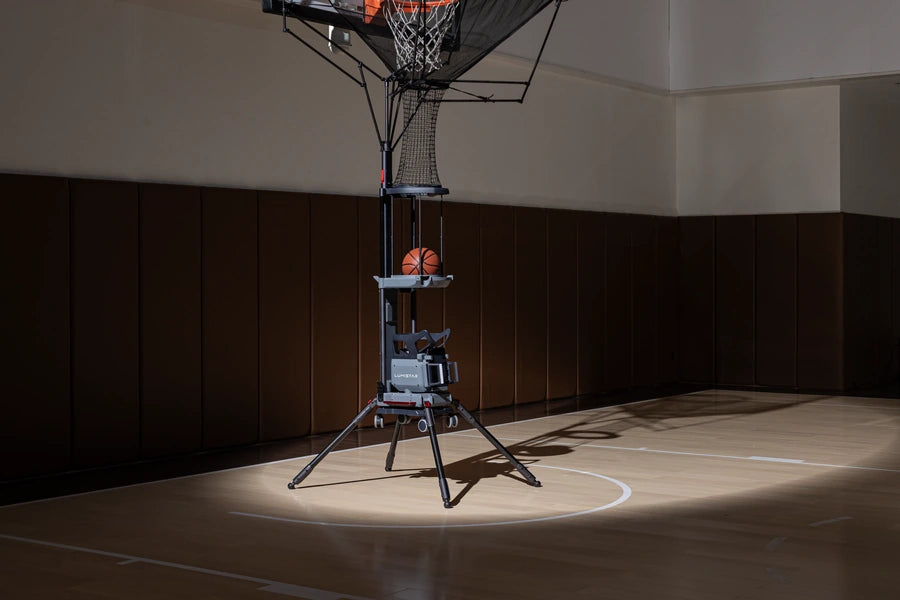
Before loading either ball type into a TERO Series machine, check the current operating instructions for compatibility and acceptable ball condition. Once you have a compatible batch, keep it dry, clean, and reasonably uniform. Both models include an Anti-Jam System that helps reduce interruptions and Self-Cleaning Airflow that helps expel ball fuzz during serving. Those features do not make wet, damaged, or badly mismatched balls suitable for use.

Ball fuzz is a normal result of repeated use, especially in a high-volume tennis training machine routine. Empty the hopper after practice, follow the current cleaning guidance, and avoid storing the equipment with damp balls inside. Players who want vision-based adaptive practice can also compare the TERO Pro AI tennis ball machine; ball selection and condition still matter regardless of which TERO model is used.
Build a Simple Ball-Replacement Routine
You do not need laboratory equipment to manage a practice basket. You need a repeatable check that catches meaningful changes before they interrupt the session.
- Mark the date when a new batch enters regular machine use.
- Before each session, remove wet, split, deformed, or badly worn balls.
- Compare a small sample for bounce and feel instead of judging only by color.
- Keep different ball types and age groups in separate containers.
- Replace the batch when variation begins to undermine the drill's purpose.
The last step depends on the session. A small difference may be acceptable for general movement practice but distracting during placement testing or match preparation. Replace balls based on usable consistency, not on a promise that one construction lasts forever.
Conclusion
Pressureless vs. pressurized tennis balls is not a contest with one winner. Fresh pressurized balls are useful when familiar match feel matters most. Compatible pressureless balls are practical for frequent repetition because they do not rely on internal pressure to maintain bounce. Whichever you choose, use a uniform basket, inspect it regularly, follow the machine's current instructions, and let the training goal decide when the balls need to be refreshed.
Frequently Asked Questions
Can Pressureless Tennis Balls Be Used in a Match?
Check the rules and ball requirements for the specific league, event, or facility. A pressureless ball that works well for practice is not automatically the ball selected for competition, and its feel may differ from the fresh pressurized balls commonly used for match play.
Does Cold Weather Change How Ball Machine Balls Feel?
Yes. Temperature can affect how a tennis ball and its rubber respond, so the same settings may not produce exactly the same feel or bounce on a cold day. Let the balls reach the playing environment, begin with a short test, and adjust the machine only after observing the actual result.
Are Pressureless Tennis Balls the Same as Low-Compression Junior Balls?
No. Pressureless describes how a ball maintains rebound, while red, orange, and green junior balls are staged products designed for particular court sizes and player-development levels. Use only a ball type supported by the machine and appropriate for the player.