





How to Improve Backhand Consistency with a Tennis Ball Machine
A tennis ball machine can improve backhand consistency when every drill has a pass condition. Start with a predictable feed and stabilize contact. Then require depth, add one direction at a time, and finally recover before the next ball arrives. This progression prevents a common mistake: making the feed more difficult before the current backhand is repeatable.
What Consistent Backhand Practice Should Measure
Consistency is not simply hitting many balls in a row. A useful backhand repeats a manageable contact pattern, clears the net with an appropriate margin, reaches an intended area, and leaves the player ready for the next shot. Ball machine practice works well here because the incoming ball can remain stable while you observe one result at a time.
Choose three measures for the session: contact quality, landing result, and recovery readiness. Do not add speed, spin, placement changes, and movement at once. If several variables change together, a missed backhand does not tell you what failed.
Set Up Tennis Ball Machine Backhand Drills for Stable Contact
The first stage should remove unnecessary uncertainty. Use one comfortable feed to the backhand side, enough time between balls to reset, and a court position from which you can organize the stroke without rushing. The objective is not to test maximum pace. It is to create a repeatable incoming ball that makes the quality of each response easy to judge.
Start with One Predictable Backhand Feed
Keep the feed location, pace, and interval unchanged for a short set. Begin from the same neutral starting position before each ball instead of standing permanently at the expected contact point. This small reset keeps the drill from becoming a stationary hitting exercise.
Use the same basic progression for a one-handed or two-handed backhand, but follow the technical cues provided by your coach for your stroke. The machine supplies repeatability; it does not decide whether your grip, spacing, or swing pattern is correct.
Use a Contact-Quality Standard Before Adding Targets
Define a clean response before the set begins. For example, count a ball only when the contact feels controlled, the shot clears the net safely, and the finish does not pull you off balance. Record the number of acceptable responses in a fixed set rather than remembering only the best shot.
Repeat the same setup until the result is reasonably stable across more than one set. A single good run can be luck or temporary rhythm. When the same pattern holds again after a brief pause, you have better evidence that the feed is ready for a new demand.

Progress from Stable Contact to Backhand Depth Drills
Once contact is repeatable, keep the feed familiar and change the outgoing goal. Depth should come before narrow directional precision because a ball that repeatedly lands short can remain attackable even when it is aimed correctly.
Add a Practical Deep Target Zone
Mark a broad zone in the back portion of the opposite court with flat markers or visual court references. A larger zone rewards repeatable depth without turning every small miss into failure. Count how many shots land beyond your chosen depth line while still staying inside the court.
If depth falls apart, resist the urge to increase pace immediately. Return to the previous feed or enlarge the target. The goal is to preserve the contact pattern while asking the ball to travel farther, not to replace control with effort.
Separate Crosscourt and Down-the-Line Direction
Practice one direction per set. Start with the direction that gives you the clearest margin and repeatable target, then run a separate set to the other side. Alternating directions on every ball adds a decision and a racket-path change before either pattern is stable.
Track depth and direction separately. A ball can reach the correct side but land too short, or achieve depth while missing the intended lane. Separate scores show which part of the task needs adjustment.
Add Recovery to Ball Machine Backhand Practice
A fixed feed can create false consistency if the player waits exactly where the next ball will arrive. Recovery changes the drill from repeated hitting into repeated preparation. After each backhand, move away from the contact area, regain balance, and return to the chosen starting position before preparing again.
Recover Before the Next Feed Begins
Set the interval long enough to complete the shot, recover, and become ready without rushing. The next ball should expose whether the recovery was complete, not force hurried movement from the first repetition. Shorten the interval only after the same landing quality survives the added movement.
If you are still crossing your feet, leaning, or watching the previous shot when the next ball arrives, the interval is too demanding for the current objective. Lengthen it or simplify the feed until readiness is visible again.
Add a Second Placement Only After Recovery Is Stable
A second placement should create a clear movement problem, not random difficulty. For example, alternate a comfortable backhand with a wider backhand so you must adjust spacing and recover. Keep the outgoing target broad at first because movement is the new variable.
For a wider library of progressions involving movement, placement, and decision-making, use the broader guide to AI tennis ball machine drills. This session stays focused on making one backhand pattern more dependable.

Measure Backhand Consistency Without Chasing Ball Count
Use the same number of balls for each comparison and score only the quality that belongs to the current stage. Ball volume is an input; the percentage of controlled outcomes is the useful result.
| Stage | Keep constant | Measure | Progress when |
|---|---|---|---|
| Stable contact | Feed location, pace, interval | Controlled contact and balance | The result repeats across multiple short sets |
| Depth | Incoming feed and starting position | Balls reaching the chosen deep zone | Depth improves without losing contact quality |
| Direction | One target direction per set | Depth and directional result separately | Both measures remain stable |
| Recovery | Outgoing target and basic feed | Ready position before the next ball | Recovery no longer reduces landing quality |
Write down the setting, target, and result after each set. If the score declines sharply after a change, step back one level instead of adding another variable. This creates a clear progression without turning one session into a complete long-term performance test.
How TERO Pro Supports Backhand Consistency Drills
The TERO Pro AI tennis ball machine offers 35 selectable placements and speeds up to 87 mph, allowing the feed to progress from a controlled backhand location to wider or more demanding patterns. Court Auto-Calibration helps simplify setup, while App control and wristband voice control can reduce trips back to the machine when supported settings need adjustment.
Use Adaptive Returns Only When the Drill Is Ready
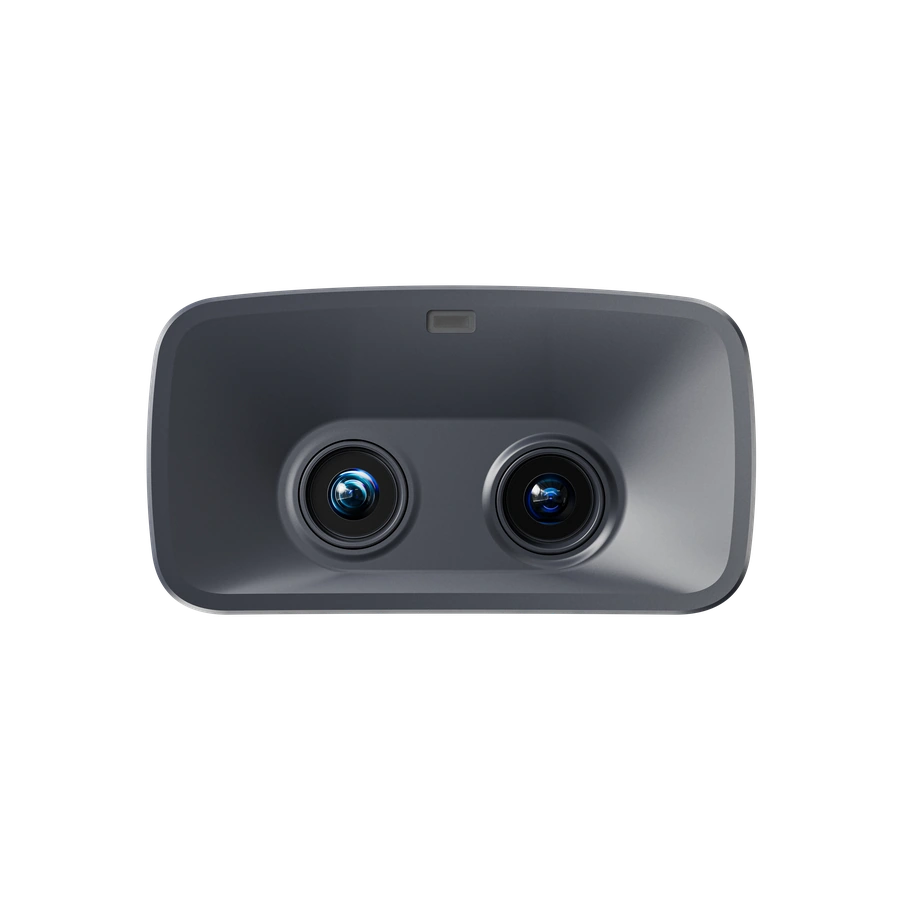
TERO Pro uses 4K dual-lens vision positioned at handle height with a 120-degree field of view. It analyzes ball speed, trajectory, and landing position, plans a return within 0.1 seconds, and continues adjusting as the ball moves. That adaptive behavior can support a more reactive stage after fixed contact, depth, direction, and recovery goals are established.
Adaptive practice should not replace the stable-feed stage. Predictability makes a technical pattern easier to inspect; adaptation tests whether that pattern survives a changing rally. Use each mode for the problem it is best suited to solve.
Review Movement Data and Video for Different Questions
Deep Stats tracks swing and movement data. 4K Recording and Video Archive support later review, with raw footage stored locally. Use movement data to review recovery patterns and video to examine visible patterns with a coach or another qualified observer.
AI Serving and 4K Recording cannot operate at the same time, so choose the function that fits the session before starting. Review tools can show what happened, but they should not be treated as a complete technical diagnosis.
Common Mistakes in Backhand Tennis Drills
The most common error is advancing because the drill feels easy rather than because the result is stable. Predictable feeds are supposed to feel manageable; their purpose is to expose repeatability.
Other mistakes include standing at the known contact point, shrinking the target too early, changing speed and interval together, and counting every in-court ball as equal. A short ball, an off-balance ball, and a deep controlled ball may all land in, but they do not represent the same backhand quality.
A Simple Backhand Consistency Session
Begin with a brief warm-up, then use three focused blocks. In the first block, keep one predictable feed and score controlled contact. In the second, add a broad depth zone and practice one direction per set. In the third, restore a broad target and require recovery to the starting position after every shot.
Stop or simplify the block when fatigue changes the movement or contact pattern. Finish by recording the setting that produced the most repeatable quality and the first change that caused it to decline. Those notes make the next session easier to plan.
Conclusion
The best tennis ball machine backhand drills progress by evidence, not by novelty. Stabilize contact first, add depth, isolate direction, and then require recovery before the next feed. TERO Pro can support that progression through selectable placements, adaptive returns, movement data, and video review, but the training result still depends on a clear goal and a standard for moving forward.
Frequently Asked Questions
How Many Backhands Should You Hit in One Ball Machine Set?
There is no universal set length. A fixed set of roughly 8 to 12 balls can be a practical starting example, but end the set sooner if contact or recovery quality begins to decline.
Should Slice Backhands Be Practiced in the Same Session?
They can be, but score them as a separate task. A slice has a different trajectory and purpose from a drive, so mixing both inside one result can hide whether either pattern is becoming more consistent.
Where Should You Place a Ball Machine for Backhand Practice?
Place it across the net so the feed approaches your backhand from the direction you want to practice, rather than assuming the center is always best. Keep the machine within its supported setup area and follow its operating and court-safety instructions.