

Portable Tennis Ball Machine Guide: Weight, Battery, Setup and Storage
A portable tennis ball machine should make solo practice easier before the first ball is launched. Weight matters, but so do the wheels, handle, battery, ball storage, setup steps, and space the complete kit takes in your vehicle or home. The right choice is the machine you can move, prepare, use, and put away without turning every session into an equipment project.
What Portable Should Mean in Everyday Use
Portable is not a standardized size or weight class. One machine may be light enough to carry, while another uses wheels and a long handle so the owner rarely lifts it. Both can be practical, but for different routes and users.
Judge the complete trip: storage area to vehicle, vehicle to court, court setup, ball collection, and the return home. A machine that rolls well on a smooth walkway may still be awkward on stairs, gravel, curbs, or a narrow trunk opening. Before comparing advanced feed features, identify the most difficult part of your own route.
Compare Real Carry Weight, Not One Headline Number
Product listings may refer to the main unit, the whole package, or a shipping weight. Those numbers do not describe the same burden. Confirm what the published weight includes, then add the separate items you actually bring to court.
Main-Unit Weight and Whole-Package Weight
Main-unit weight helps you judge the heaviest individual lift. Whole-package weight better represents a one-trip setup when the battery, ball container, accessories, or other parts travel with the machine. If the kit separates, ask whether that improves transport or simply creates more pieces to carry and store. A useful specification should make clear which configuration was measured.
Balls and Accessories Change the Trip
A hopper of balls, rackets, targets, water, and a pickup tool can turn a light machine into a multi-bag routine. Consider whether balls travel inside the machine, in a detachable container, or in a separate bag. Loading the machine only after reaching the court can make lifting easier, but it may require another trip from the vehicle. The best arrangement is the one you can repeat without leaving essential pieces behind.
Carry Test Versus Roll Test
If your route includes stairs or public transit, focus on individual lift weight, handholds, and balance. If you park close to the court, wheel size, handle reach, and stability while rolling may matter more than a few pounds. Measure the route instead of relying on the word lightweight. A compact tennis ball machine can fit a small space and still feel awkward if the handle or load distribution does not suit the user.
Battery Life Should Match the Session You Actually Play
A battery powered tennis ball machine removes the need for a nearby outlet, but the published runtime should be treated as a planning specification rather than a promise for every setting. Feed speed, interval, movement functions, battery condition, temperature, and charging habits can affect practical session length.
Start with your normal court booking. A player who practices for 45 minutes has different needs from a coach running several consecutive sessions. Ask whether the battery is built in or removable, how long charging takes, whether the charge level is easy to check, and what replacement or additional-battery options are currently supported. Follow the product鈥檚 charging and storage instructions rather than inventing a routine from general battery advice.

Plan Around a Complete Training Week
A long published runtime is less helpful if you routinely forget to recharge. Decide where the battery will be charged, when you will check it, and whether the machine can remain ready between sessions. If several family members or players share the equipment, assign responsibility for charging and returning accessories to the same storage location. Portability improves when the machine is ready to leave, not when each trip begins with a search for power and parts.
Setup Convenience Is More Than Unfolding the Machine
Court setup includes positioning the machine, attaching or opening the ball container, loading balls, powering the unit, selecting a drill, and confirming that the first feed is safe and useful. A portable design loses value when those steps are confusing or require repeated walks between the baseline and the machine.
Count the Steps From Arrival to First Feed
Walk through the setup before buying if possible. Note which pieces must be attached, whether tools are required, where loose accessories go, and how the machine is aligned with the court. Simple setup does not mean careless setup: every model still needs to be positioned and operated according to its current instructions. The goal is a repeatable sequence that does not consume the opening part of the court reservation.
Baseline Controls Reduce Unnecessary Walking
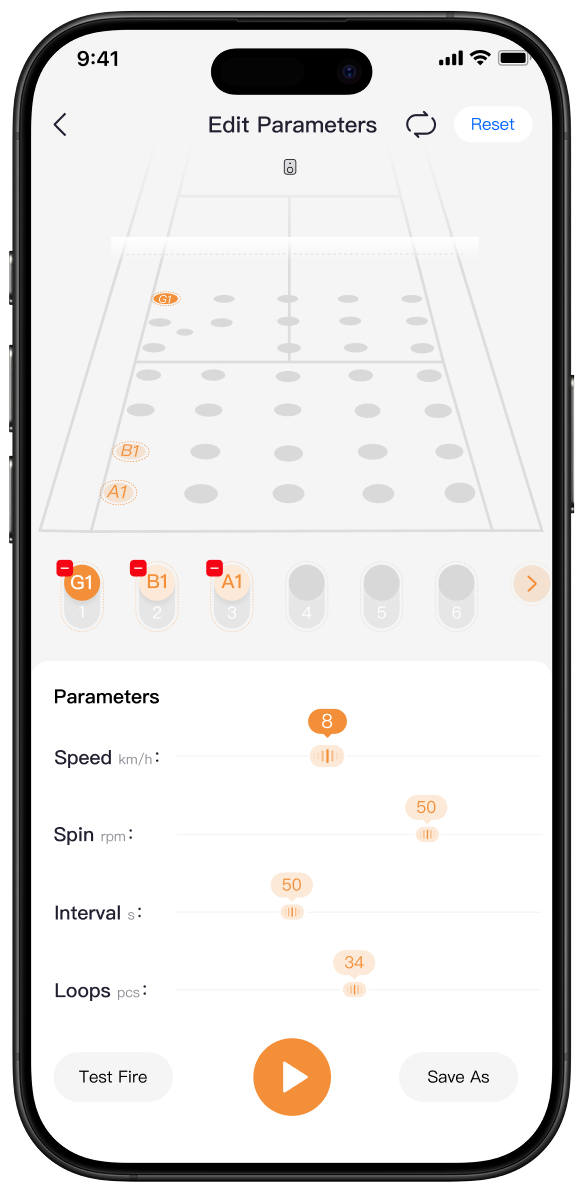
App, remote, or wristband controls can make a portable tennis machine more practical after it is positioned. Useful controls let you start and stop the feed, change an approved setting, or select the next drill without crossing the court after every adjustment. Check which functions each control method actually supports and whether the connection and interface fit the place where you normally practice.
Preset Drills Can Shorten Decision Time
A broad preset library can reduce setup decisions when you already know the training goal. Custom patterns remain useful when the preset does not match your court position or skill level. The practical test is not how many options appear in a menu. It is whether you can choose a relevant drill, adjust it safely, and begin before attention shifts from practice to programming.
Storage Has to Work at Home and in the Vehicle
Storage is part of portability because every session begins and ends there. Measure the machine in its stored configuration and check the height, width, and depth of the space you plan to use. A model may fit the trunk but block other equipment, or fit a closet only after the ball container and handle are removed.
Keep balls, charging equipment, controls, and pickup tools organized near the machine when the product instructions allow it. Avoid treating the hopper as a permanent catch-all for damp balls or loose gear. A consistent storage routine makes it easier to notice a missing wristband, cable, or accessory before leaving for the court.
Measure the Smallest Opening
The narrowest door, trunk opening, stair turn, or storage shelf can decide whether the machine fits. Record those measurements before shopping and compare them with the machine鈥檚 travel configuration, not only its on-court configuration. Leave room to grip and lift the unit rather than choosing a fit that works only when the machine is forced through the opening.
Separate Clean Transport From Court Cleanup
Balls collect felt, dust, and moisture during practice. Use a repeatable way to separate clean accessories from used balls on the trip home, inspect damaged balls, and follow the machine鈥檚 maintenance guidance. Portability is not only getting the equipment to court. It is bringing it back without creating a difficult cleanup job in the car or storage area.
Do Not Trade Away the Practice You Need
The lightest tennis ball machine is not automatically the best portable tennis ball machine for every player. A smaller unit can be easy to carry but may not create the speed, placement, interval, or drill patterns required for your sessions. A larger machine can be practical when good wheels and a short route eliminate most lifting.
Write down the three drills you expect to repeat most often. Confirm that the machine can deliver those feeds at settings appropriate for your level, then compare transport. This order prevents portability from becoming an end in itself. The right machine must be both movable and useful once it reaches the court.
How TERO Approaches Portability
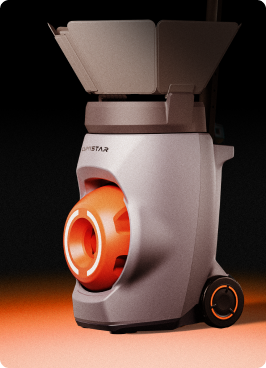
The TERO smart tennis ball machine uses a suitcase-style folding and rolling design. Its published whole-package weight is about 25.7 lb, while the main unit is about 19.4 lb. The distinction matters: the main-unit figure describes the primary lift, while the whole-package figure better represents the complete equipment set.
TERO鈥檚 published battery specification is up to 4 hours. App and wristband voice control can reduce trips back to the machine after setup, while preset drills and app-customized training patterns help players move from arrival to a defined session more directly. These features support portability by reducing handling and adjustment friction, but owners should still follow the current charging, setup, and operating instructions.
Portable Without Limiting Everyday Training
TERO delivers ball speeds up to 87 mph, a range of up to 26 meters, and 35 selectable placements. Those capabilities allow a portable setup to support controlled repetition, movement patterns, and higher-tempo drills as the player progresses. Maximum settings are not a target for every session; useful portability means bringing the machine often enough to train at the level and pace that fit the current goal.
A Practical Portable Ball Machine Checklist
Use the checklist below with your own route and training plan. Exact priorities will differ between a player carrying equipment up apartment stairs and someone rolling it from a nearby parking space.
| Check | What to confirm | Why it matters |
|---|---|---|
| Weight | Main unit, full package, and separate pieces | Shows what you actually lift or roll |
| Route | Stairs, curbs, distance, and court access | Reveals whether carry or wheel design matters more |
| Battery | Published runtime, charging, status, and replacement options | Connects power planning to real session length |
| Setup | Assembly, positioning, controls, and first-feed steps | Protects limited court time |
| Storage | Travel dimensions and the smallest opening | Confirms fit at home and in the vehicle |
| Training | Speed, placement, patterns, and useful low settings | Ensures portability does not weaken the practice plan |
| Support | Instructions, warranty, parts, and service | Supports ownership beyond the first trip |
When comparing tennis ball machine reviews, check whether every listed weight uses the same definition and whether battery figures are published specifications or independent test results. A clean comparison separates verified numbers from personal experience and evaluates the complete ownership routine, not only the most impressive feed setting.
Conclusion
A portable tennis ball machine should fit the full routine from storage to court and back. Compare the main unit with the whole package, test the real route, match published battery life to your schedule, count setup steps, and measure storage before buying. TERO combines a 25.7 lb published whole-package weight, suitcase-style rolling design, up to 4 hours of published battery life, and baseline controls with the feed range needed for everyday solo practice. The best choice is the machine whose transport and training capabilities both match the sessions you will actually repeat.
Frequently Asked Questions
Can You Carry a Tennis Ball Machine by Yourself?
That depends on the heaviest individual piece, the route to the court, and whether the machine can be rolled instead of carried. Check the main-unit weight separately from the full package, and consider stairs, curbs, and loading height before buying.
Is a Battery-Powered Tennis Ball Machine Better for Public Courts?
It is usually more practical when no outlet is available, but the published runtime, charging routine, and transport setup still need to fit your schedule. Always follow the model鈥檚 current power and charging instructions.
What Should You Bring to the Court With a Tennis Ball Machine?
Plan for the machine, tennis balls, racket, required control accessories, and any targets or pickup tools you regularly use. Keeping the same kit organized together makes transport, setup, and packing easier to repeat.
