




How to Practice Tennis Alone: Wall, Serve and Footwork Drills
You can improve at tennis alone when the session has a clear purpose. A wall can provide repetition, a basket of balls can support serve and self-feed practice, and simple movement patterns can train recovery habits. The key is to choose one observable goal for each block instead of hitting until you are tired.
Solo tennis is strongest for repeatable skills such as contact, direction, serve routine, balance, and footwork. It is less effective for reading an opponent, choosing a shot under pressure, or diagnosing a technical fault. A balanced plan uses solo work to prepare skills, then tests them with a partner, coach, or match.
What Solo Tennis Practice Can Improve
Tennis practice alone works best when the outcome can be seen or counted. Examples include keeping a wall rally alive with controlled height, landing serves in a broad target zone, recovering to a marked position, or completing a self-feed stroke without losing balance. These goals give each repetition a reason.
Do not treat repetition as proof that the movement is correct. If a grip, contact point, or swing path is uncertain, use occasional coaching or qualified feedback before repeating it at high volume. Video can help you observe a pattern, but it does not automatically explain why the pattern occurs.
Wall Drills for Solo Tennis
A wall returns the ball quickly, so begin closer to control than to power. Use an approved practice wall with enough clear space, check local rules, and make sure nobody can enter the rebound area. A low-compression ball can make the exchange easier for a beginner when the surface and facility allow it.
Build a Controlled Groundstroke Rally
Choose a visible mark above the imagined net line and send each ball toward the same broad area. Let the ball bounce, use a compact swing, and recover before the rebound arrives. Count consecutive controlled contacts rather than hard shots. If the rally breaks down immediately, increase your distance from the wall, reduce pace, or allow an extra bounce while learning the rhythm.
Alternate Forehand and Backhand Contacts
Once one-side control is stable, direct the rebound so the next ball arrives on the opposite side. The objective is not a perfect two-ball pattern; it is an early turn, small adjustment steps, and a balanced recovery. Start with a predictable forehand-backhand sequence, then let slightly imperfect rebounds test your positioning.
Add Volleys Only After Groundstroke Control
Stand at a safe distance and use short, quiet volley contacts toward a generous wall target. Keep the racket in front and avoid a large backswing. Because the rebound arrives quickly, stop when posture or contact quality declines. This block should train control, not become a reflex contest.
Serve Practice When Training Alone
Serving is naturally suited to solo practice because you start every repetition. Place the basket safely away from the landing area, warm the shoulder gradually, and use broad targets rather than chasing lines. Accuracy and a repeatable routine should come before maximum speed.
Serve to Broad Target Zones
Divide each service box into a few large zones using cones or flat markers outside the likely landing path. Choose one zone, complete a small set, and record how many serves land in it. Keep the same intention long enough to see a pattern before changing direction. A target that is too small can turn useful practice into random miss counting.
Separate Toss Practice from Full Serves
If the toss is inconsistent, rehearse the release without hitting. Observe whether the ball reaches a comfortable contact area and whether you can stay balanced. Then return to full serves and see whether the same motion survives. Do not chase a poor toss merely to complete the swing; reset and repeat the routine.
Finish with Serve Plus One Rehearsal
After a serve, land under control, split-step, and shadow the first groundstroke toward a planned direction. No second ball is required for this pattern. The value comes from connecting the serve to recovery instead of admiring the result. When a safe self-feed is practical, add one controlled ball only after the movement sequence feels organized.
Self-Feed and Target Drills Without a Partner
Self-feeding gives you more time than a wall and makes it easier to isolate contact. Drop or gently toss the ball in front of you, move into position, and hit toward a large depth or direction target. Begin from a stable position before adding movement.
Use Drop Feeds to Stabilize Contact
Set a starting mark and a recovery mark. Drop the ball at a repeatable distance, strike through a comfortable contact point, then finish balanced and return to the mark. Alternate forehands and backhands only when both sides can be organized independently. Quality matters more than filling the court with balls.
Add One Movement Before the Hit
Stand a step or two away from the contact area, self-feed, move around the ball, and hit toward a broad target. Change only one variable at a time: starting position, direction, or height. If you vary everything at once, a miss will not tell you what needs adjustment.

Footwork Drills for Solo Tennis Practice
Footwork practice does not need a ball to be useful. It should rehearse the sequence that surrounds a stroke: ready position, split-step, first move, adjustment steps, balanced swing, and recovery. Mark the court with flat, non-slip targets and keep every pattern inside a safe area.
Split-Step, Move and Recover
Begin at a recovery mark. Use a small split-step, move to a forehand or backhand marker, shadow a controlled stroke, and return without crossing your feet unnecessarily. Pause between repetitions at first. Add continuous rhythm only when you can stop in balance at both ends of the pattern.
Use a Four-Corner Shadow Pattern
Assign the front corners to short balls and the back corners to deeper groundstrokes. Move to one corner, shadow the appropriate response, and recover through the center. Call the direction before moving or use a simple timer with varied cues. The drill should preserve tennis posture; it should not become running around cones with no relationship to a shot.

When a Ball Machine Helps with Solo Tennis
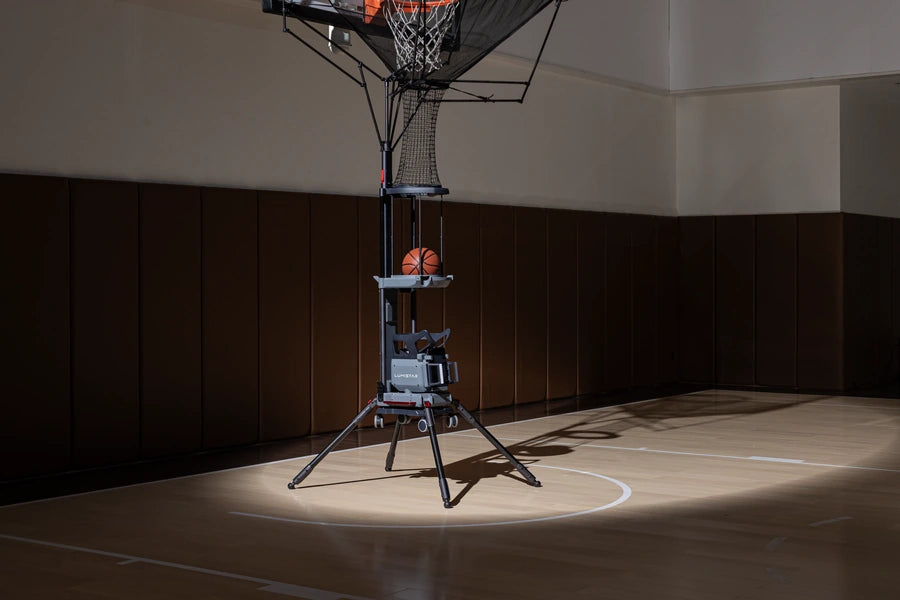
A ball machine is optional, not the foundation of every solo session. It becomes useful when you need more repeatable incoming balls than a wall or self-feed can provide. Fixed placements can isolate contact and direction, while varied placements can add movement after a stable pattern is established.
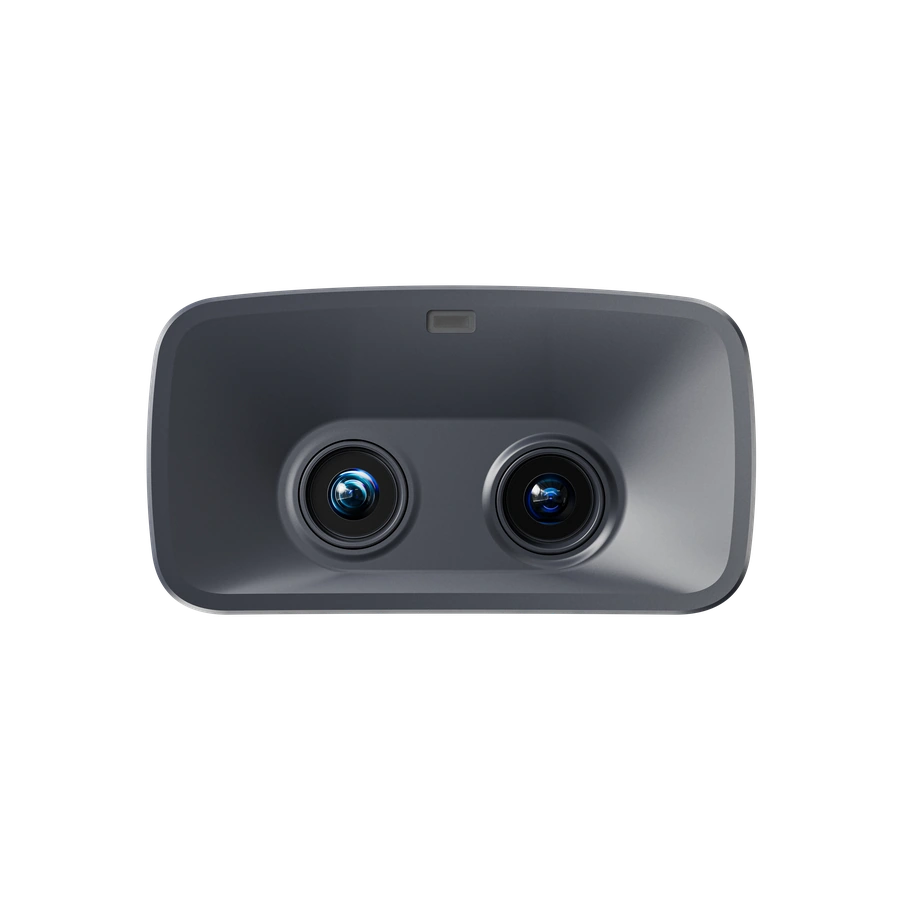
The TERO Pro AI tennis ball machine offers 35 selectable placements and speeds up to 87 mph. Its 4K dual-lens vision system analyzes ball speed, trajectory, and landing position to support adaptive returns. Those capabilities can extend a solo drill, but the player still needs to choose the goal, use a manageable setting, and stop when stroke quality declines.
For a structured progression from repetition to movement and pressure, use the separate AI tennis ball machine drills guide. Keeping the machine block focused prevents it from replacing the wall, serve, and footwork work that this broader session is designed to combine.

Build a Balanced Solo Tennis Session
A useful session does not need every drill. Select blocks that support one main goal and leave enough recovery to preserve coordination. The example below is a planning framework, not a fixed training standard.
| Practice block | Example focus | Progress check |
|---|---|---|
| Preparation | Dynamic warm-up and easy shadow swings | Movement feels comfortable and controlled |
| Wall or self-feed | Contact height and direction | A repeatable rally or target pattern |
| Serve | Routine and one broad zone | Balanced finish and recorded target results |
| Footwork | Split-step, first move and recovery | Return to the mark without rushing |
| Optional machine | One placement or movement pattern | Technique holds as the feed continues |
| Review | Write one observation and next step | A specific goal for the next session |
Common Mistakes in Tennis Practice Alone
The first mistake is chasing volume. Hundreds of unfocused contacts can reinforce the same timing or balance problem. Use shorter sets, observe the result, and adjust one variable before continuing.
The second is making every drill physically difficult. Faster rebounds, smaller targets, and more movement are not automatically better. Difficulty should rise only when the current task remains controlled.
The third is ignoring the environment. Confirm that walls, courts, markers, and ball machines are permitted; keep walkways and neighboring courts clear; and collect loose balls before they become a hazard. If you use a shared facility, the public-court rules checklist can help you plan the session.
What Solo Tennis Cannot Replace
Solo drills cannot reproduce an opponent's disguise, changing ball quality, score pressure, or tactical decisions. They also cannot reliably diagnose technique. Use them to prepare repeatable actions, then transfer those actions into partner rallies, coached practice, points, and matches.
A simple test is whether the solo drill has a clear bridge to live play. Wall control should support rally tolerance, serve targets should support a first-ball plan, and footwork patterns should help you recover for the next shot. If the drill has no transfer goal, simplify it or choose another task.
Conclusion
The best way to practice tennis alone is to combine methods instead of relying on one. Use the wall for rhythm and adjustment, a ball basket for serves and self-feeds, and shadow patterns for split-step and recovery habits. Add a ball machine when repeatable incoming balls help the specific goal. Measure control, balance, direction, and recovery—not just how many balls you hit—and return regularly to live tennis for feedback and decision-making.
Frequently Asked Questions
Can You Improve at Tennis Alone?
Yes. Solo practice can improve repeatable elements such as contact, serve routine, target control, balance, and footwork. Progress is more complete when you also play with others and receive qualified feedback, because solo drills do not fully train opponent reading, tactics, or match pressure.
What Tennis Practice Can You Do at Home Without a Court?
If you have a clear, non-slip space, you can practice shadow swings, split-step timing, first-step movement, recovery patterns, and parts of the serve routine without hitting a ball. Avoid full swings near people, windows, furniture, or low ceilings, and do not use a wall unless the property rules and space make rebound practice safe.
How Often Should You Practice Tennis Alone?
There is no universal schedule. Choose a frequency that lets you repeat the skill with good coordination and recover between sessions. Short, purposeful practice can be more useful than occasional high-volume sessions. Adjust for your experience, total tennis workload, physical condition, and any guidance from a coach or healthcare professional.